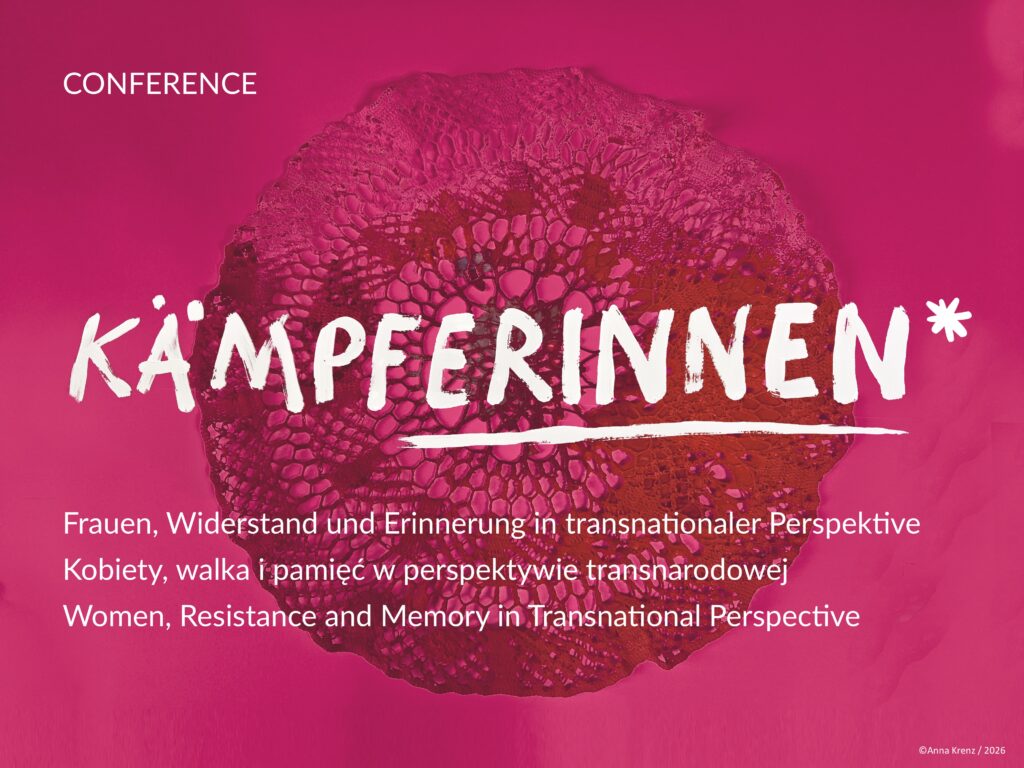
KÄMPFERINNEN*
Frauen, Widerstand und Erinnerung in transnationaler Perspektive
Konferenz
10. Oktober 2026, 14:00 Uhr
Kapelle99, Boxhagener Straße 99, 10245 Berlin-Friedrichshain
Eintritt frei. Anmeldung erforderlich. Die Platzzahl ist begrenzt.
Konferenzsprache: Deutsch
ANMELDUNG: https://forms.gle/veRUCGjsvrmFEDN5A
Wie erinnern wir? Wer erzählt Geschichte und aus welcher Perspektive? Wie verändern sich Begriffe wie Kampf oder Widerstand? Welche Rolle können Kunst und gesellschaftliches Engagement in der Erinnerungsarbeit und beim Aufbau von Beziehungen über Grenzen hinweg spielen? Wofür kämpfen wir heute?
Die Konferenz KÄMPFERINNEN* sucht nach Antworten auf diese Fragen aus historischer, kultureller und künstlerischer Perspektive.
Einen der Schwerpunkte der Konferenz bilden historische Erfahrungen von Frauen im Widerstand. Besondere Aufmerksamkeit gilt den unterschiedlichen Formen von Kampf und Widerstand sowie den Spannungen zwischen Alltag und Heroisierung – betrachtet aus polnischem und deutschem Blickwinkel.
Der zweite Teil der Konferenz widmet sich der gegenwärtigen Erinnerungskultur sowie Fragen von Anwesenheit und Abwesenheit in der Geschichte. Im Mittelpunkt stehen unterschiedliche Formen des Erzählens über die Vergangenheit, Mechanismen des Ausschlusses und der Marginalisierung sowie die Möglichkeit, vielfältigere historische Narrative zu entwickeln.
Ein dritter Schwerpunkt befasst sich mit der Rolle von Kunst und kulturellen Praktiken als Instrumenten der Erinnerungsarbeit sowie als Formen zeitgenössischen Widerstands und gesellschaftlichen Engagements. Zeitgenössische künstlerische Praktiken – von visueller Forschung bis hin zu performativen und archivbezogenen Arbeiten – ermöglichen es, die Vergangenheit zu rekonstruieren und ihr zugleich neue Bedeutungen und Formen der Präsenz zu verleihen.
Ausgangspunkt der Konferenz „KÄMPFERINNEN*“ sind die Geschichten polnischer Frauen, die mit dem Widerstand während des Zweiten Weltkriegs verbunden waren. Jadwiga Neumann, Stefania Jung-Mochnacka und Helena Maćkowiak gehören zu den Frauen, deren Biografien über viele Jahrzehnte nahezu unbekannt geblieben sind. Ihre Lebenswege bilden den Ausgangspunkt für eine Auseinandersetzung mit unterschiedlichen Formen weiblicher Kämpfe und Handlungsmacht – von Untergrundtätigkeit und Widerstand über Erinnerungsarbeit bis hin zu zeitgenössischen künstlerischen, sozialen und aktivistischen Praktiken.
Begleitend zur Konferenz wird eine Ausstellung über Polinnen gezeigt, die mit dem Widerstand verbunden waren, sowie über Frauen, die während des Zweiten Weltkriegs im Gefängnis Plötzensee hingerichtet wurden. Die präsentierten Porträts und Biografien erinnern an häufig vergessene Lebensgeschichten von Frauen, die einen wichtigen Teil der Geschichte des besetzten Europas darstellen.
English Summary:
How do we remember? Who tells history, and from which perspective? How do concepts such as struggle and resistance change over time? What role can art and social action play in working with memory and building relationships across borders? What are we fighting for today?
The KÄMPFERINNEN* conference seeks answers to these questions from a historical, cultural, and artistic perspective.
One of the conference’s main focuses is the historical experiences of women in the resistance. Particular attention is given to different forms of struggle and resistance, as well as the tensions between everyday life and heroization – seen from both Polish and German viewpoints.
The second part of the conference focuses on contemporary memory culture and questions of presence and absence in history. Discussions will address ways of narrating the past, mechanisms of erasure and marginalisation, and the possibility of creating more diverse historical narratives.
A third focus explores the role of art and cultural practices as tools for working with memory and as forms of contemporary resistance and engagement. Contemporary artistic practices – from visual research to performative and archival work – make it possible not only to reconstruct the past, but also to give it new meanings and forms of presence.
The inspiration for the conference KÄMPFERINNEN lies in the stories of Polish women connected with the resistance during the Second World War. Jadwiga Neumann, Stefania Jung-Mochnacka and Helena Maćkowiak are among those women whose biographies remained almost unknown for decades. Their lives provide a starting point for reflecting on different forms of women’s struggle and agency – from underground resistance and acts of defiance, through work on remembrance, to contemporary artistic, social and activist practices.
The conference is accompanied by an exhibition devoted to Polish women connected with the resistance and to women executed in Plötzensee prison during the Second World War. The portraits and biographies presented recall often forgotten lives that form an important part of the history of occupied Europe.
Kämpferinnen (German) – women fighters; female fighters.
PROGRAMM
14:00 Uhr Eröffnung und Keynote-Vortrag
Polnische Frauen im Berliner Widerstand. Zwischen Geschichte und Unsichtbarkeit
Anna Krenz, Künstlerin, Forscherin, Autorin
14:45 Uhr Panel I — Geschichte: Formen des Kampfes von Frauen
Historische Perspektiven auf die Erfahrungen von Frauen, mit besonderem Augenmerk auf die vielfältigen Formen von Kampf und Widerstand sowie die Spannungen zwischen Alltag und Heroisierung. Polnische und deutsche Perspektiven.
Panelistinnen:
Dr. Iwona Dadej, Historikerin
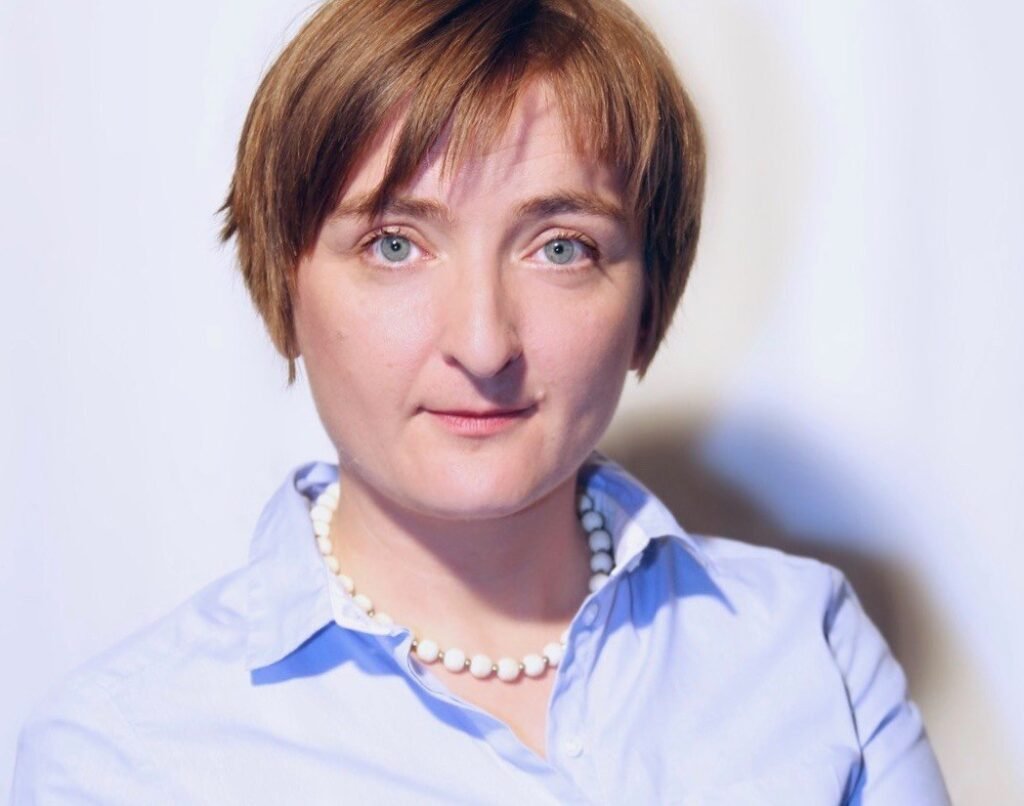
Dr. Iwona Dadej ist Historikerin. Ihre Forschungsschwerpunkte liegen in der Wissens- und Wissenschaftsgeschichte aus Geschlechterperspektive, der Geschichte sozialer Bewegungen und der Historiografie sowie in der Transfergeschichte. Zu ihren Monografien zählen Beruf und Berufung transnational. Deutsche und polnische Akademikerinnen in der Zwischenkriegszeit (fibre Verlag, 2019) und Habilitacja – bariera czy kariera? Porządek płci w polskiej kulturze akademickiej pierwszej połowy XX wieku (IH PAN/Neriton, 2022).
Susanne Schade,
wissenschaftliche Mitarbeiterin der Gedenkstätte Deutscher Widerstand
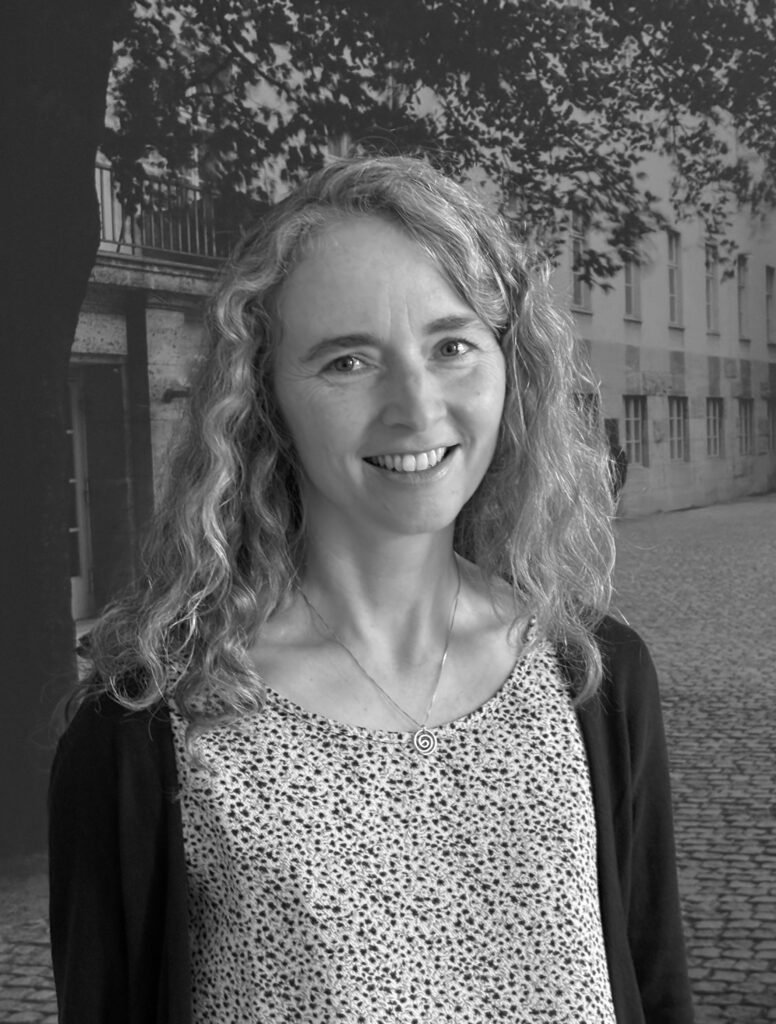
Susanne Schade studierte Politikwissenschaften, Slavistik und Osteuropäische Geschichte in Heidelberg und war anschließend in verschiedenen Kontexten innerhalb der poli-tischen Bildung tätig. Von 2012–2015 war sie Bildungsreferentin bei der Stiftung Kreisau für Europäische Verständigung (Fundacja „Krzyżowa“ dla Porozumienia Europejskiego) in Polen und beschäftigte sich intensiv mit dem Thema des Widerstandes gegen den Nationalsozialismus. Anschließend war sie bei der Kreisau-Initiative e. V. in Berlin tätig und arbeitete freiberuflich für die Gedenkstätte Deutscher Widerstand. Seit 2022 ist sie wissenschaftlich-pädagogische Mitarbeiterin der Gedenkstätte Deutscher Widerstand und beschäftigt sich vor allem mit Organisationen, Gruppen und Personen, die sich in der Zeit der Weimarer Republik gegen den erstarkenden Nationalsozialismus und für Freiheit und Demokratie engagiert haben. www.gdw-berlin.de
15:45 Uhr Pause
16:00 Uhr Panel II — Erinnerung und das Recht, Geschichte zu erzählen
Zeitgenössische Erinnerungskultur, ihre Hierarchien und Ausschlüsse, einschließlich neokolonialer Mechanismen, die bestimmen, welche Erfahrungen Eingang in kollektive Narrative finden und welche gelöscht werden. Fragen der Repräsentation und die Möglichkeit, vielfältigere historische Erzählungen zu schaffen.
Panelistinnen:
Dr. Jadwiga Kamola, Ideenhistorikerin, Kuratorin
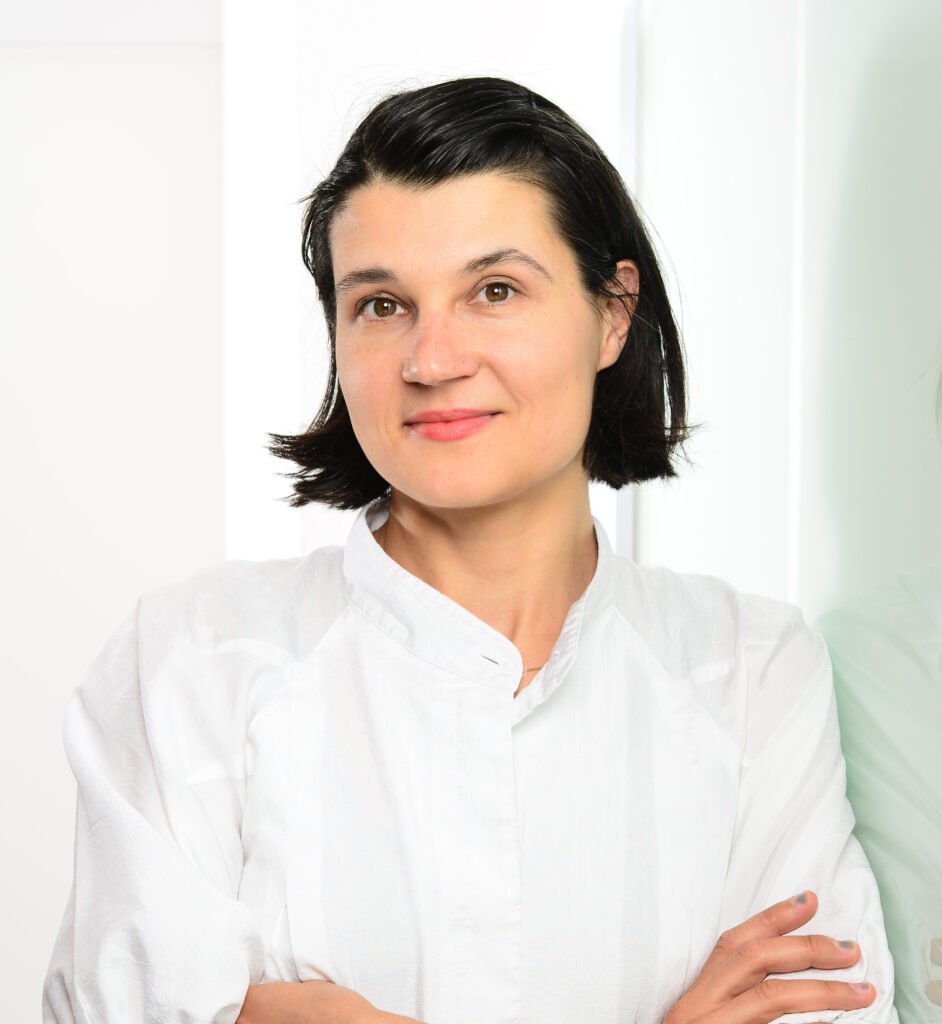
Dr. Jadwiga Kamola ist Ideenhistorikerin und Kuratorin. Sie konzipiert und leitet Ausstellungsprojekte sowie Veranstaltungen an Museen, Gedenk- und Forschungseinrichtungen. In ihrer Arbeit beschäftigt sie sich mit Erinnerungskultur, deutscher Gewaltgeschichte, insbesondere mit dem Nationalsozialismus, Medizingeschichte sowie der jüngsten Migrationsgeschichte. Sie war als Kuratorin an zahlreichen Institutionen tätig, darunter am NS-Dokumentationszentrum München. Aktuell ist sie Kuratorin und wissenschaftliche Mitarbeiterin am Medizinhistorischen Museum des Instituts für Geschichte und Ethik der Medizin am Universitätsklinikum Hamburg-Eppendorf. Als freiberufliche Kuratorin begleitet sie Projekte wie die Ausstellung „Kobiety“ (AT; Frauen) im Museum Zwangsarbeit im Nationalsozialismus in Weimar. Neben ihrer wissenschaftlichen Tätigkeit schreibt sie Lyrik, die von der Geschichte ihres Großvaters und ihrer eigenen Migrationsgeschichte inspiriert ist.
Dr. Jessica Bock, Historikerin
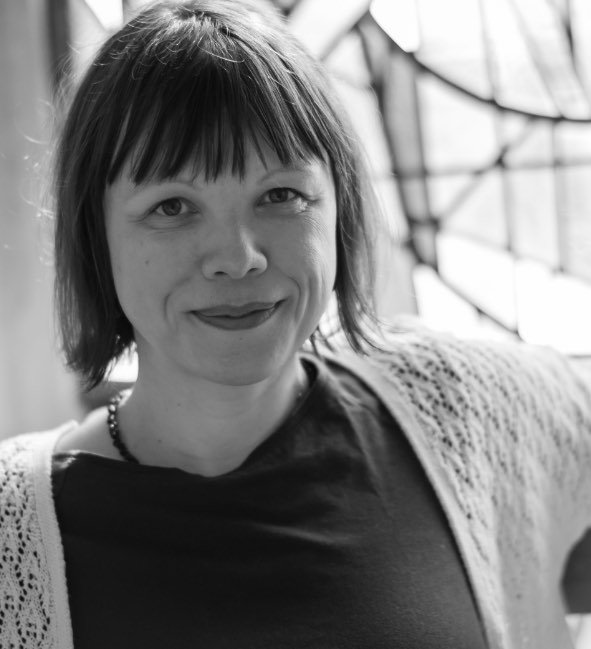
Dr. Jessica Bock, studierte Mittlere und Neuere Geschichte an der Universität Leipzig. Mit einem Stipendium der Bundesstiftung zur Aufarbeitung der SED-Diktatur promovierte sie über „Frauenbewegung in Ostdeutschland. Aufbruch-Revolte-Transformation in Leipzig 1980‒2000“. Seit 2016 ist sie wissenschaftliche Mitarbeiterin beim Digitalen Deutschen Frauenarchiv. 2023 erschien mit Unterstützung der weiterdenken Heinrich-Böll-Stiftung-Sachsen e.V. ihre Studie Kontrollierte Selbstbestimmung. Der Schwangerschaftsabbruch in Sachsen von 1945-1990. Aktuell beschäftigt sie sich mit Frauen als (Mit-)Täterinnen im DDR-Sozialismus. (Bild: Marlen Schindler)
17:00 Uhr Pause
17:15 Uhr Panel III — Kunst, Aktivismus und zeitgenössische Kämpferinnen
Die Rolle von Kunst und kulturellen Praktiken als Werkzeuge der Erinnerungsarbeit sowie als Formen zeitgenössischen Widerstands und Engagements. Zeitgenössische künstlerische und gesellschaftliche Praktiken von Frauen im öffentlichen Raum.
Panelistinnen:
Karolina Gembara, Künstlerin, Forscherin, Kuratorin
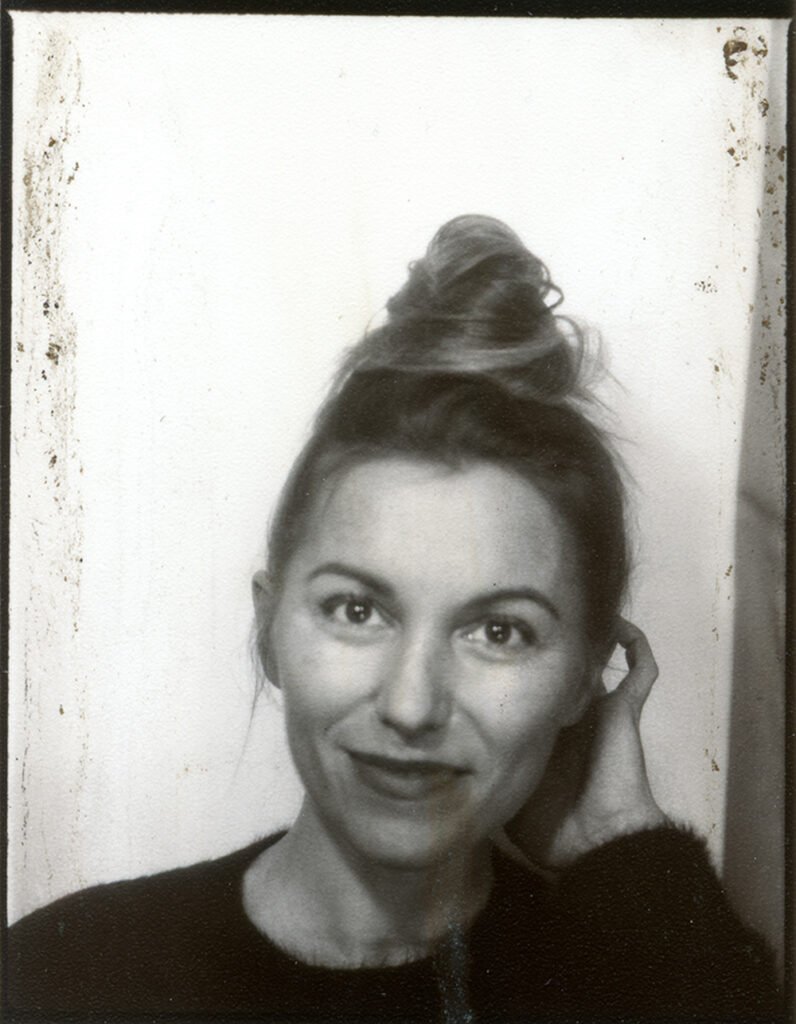
Karolina Gembara ist bildende Künstlerin, Forscherin und Kuratorin. Im Zentrum ihrer Arbeit stehen Gender, Care-Arbeit, Erinnerung und gesellschaftliches Engagement. Sie ist Mitglied des Archive of Public Protest, eines Kollektivs, das zivilgesellschaftlichen Widerstand in Polen dokumentiert, darunter auch die Massenproteste von Frauen für reproduktive Rechte und Mitherausgeberin der Strike Newspapers. Gemeinsam mit dem Archiv wurde sie 2021 mit dem Spojrzenia-Preis der Zachęta – Nationalgalerie für Kunst ausgezeichnet und für den Paszport Polityki nominiert. In ihrer künstlerischen Praxis rückt sie die Erfahrungen von Frauen und die häufig unsichtbar bleibende Care-Arbeit in den Mittelpunkt. Ihr Fotobuch Fitting Rooms (2013) beschäftigt sich mit den Lebensrealitäten von Frauen ihrer Generation. 2025 kuratierte sie im Museum für Moderne Kunst in Warschau die Ausstellung „Her Heart“, die sich reproduktiven Rechten in Kunst und Aktivismus widmete. Derzeit schließt sie ihre Promotion über fotografische Strategien zur Schließung von Lücken in Archiven mithilfe der Methode der Critical Fabulation ab.
archiwumprotestow.pl
Lia Dostlieva, Künstlerin, Autorin
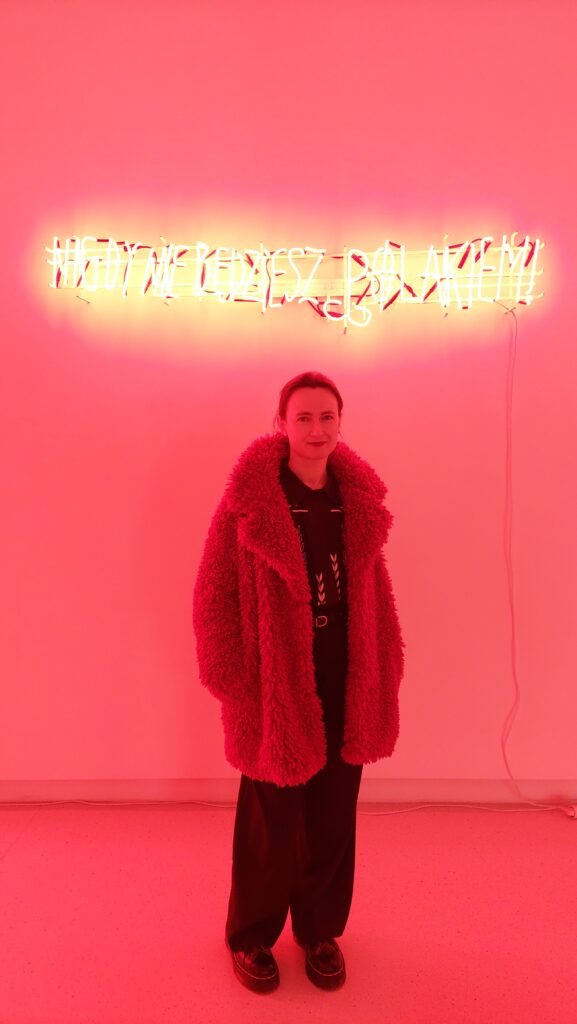
Lia Dostlieva ist eine ukrainische multidisziplinäre Künstlerin und Autorin an der Schnittstelle von bildender Kunst und Kulturanthropologie. Ihre Praxis beschäftigt sich mit Dekolonialität, generationenübergreifenden Narrativen, Erinnerung und Vertreibung. Ihre Arbeiten wurden u. A. im Nationalen Pavillon der Ukraine auf der 60. Biennale di Venezia, der Malta Biennale, Kyiv Biennial, Akademie der Künste, Kolumba Museum, Ludwig Museum, Lettischen Nationalen Kunstmuseum, Tbilisi Photography and Multimedia Museum und National Museum of Fine Arts in Bischkek gezeigt. Sie ist IAS CEU Budapest Open Society Fellow 2026/27, CEC ArtsLink International Fellow 2024, Alumna der Jan van Eyck Academie 2023 und war 2019 Visiting Fellow am Institut für die Wissenschaften vom Menschen. Ihre Texte erschienen im e-flux Journal, in Dwutygodnik, Eurozine und Kajet Journal; Publikationen bei Spector Books, TAVROS PRESS, Ist Publishing und Growing Pains. Dostlieva ist Mitglied der RUTA Association und Gründungsmitglied des Young Network TransEurope der Berlin-Brandenburgischen Akademie der Wissenschaften sowie Mitbegründerin und Co-Kuratorin des Barbara Baryżewska Studio in Poznań. Derzeit promoviert sie in Kulturanthropologie zu Lücken und Brüchen in (Her)Stories in vom russisch-sowjetischen Kolonialismus geprägten Gebieten.
www.liadostlieva.org
18:15 Uhr Abschlussdiskussion — Round Table
Mit Beteiligung der Panelist:innen und des Publikums.
19:00 Uhr Ausstellungseröffnung + Empfang: Polnische Pierogi (Agata Noszczyk)
KÄMPFERINNEN. Polnische Frauen im Widerstand
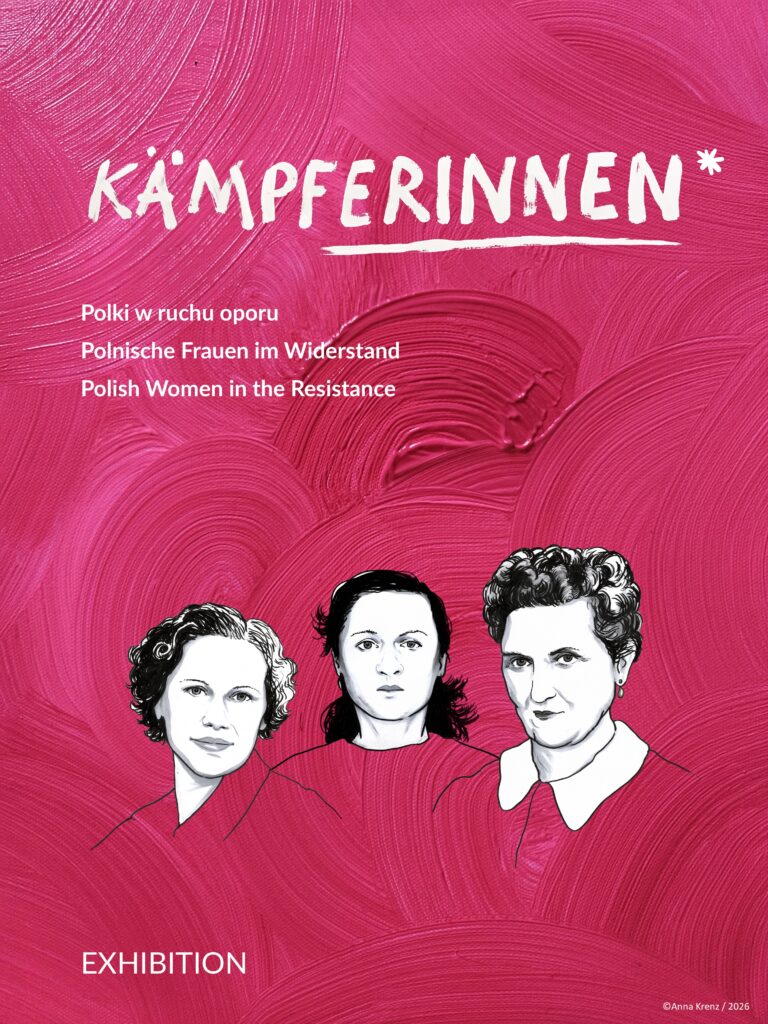
KÄMPFERINNEN* Polnische Frauen im Widerstand
Anna Krenz
Die Ausstellung präsentiert die Biografien von fünf polnischen Frauen, die auf unterschiedliche Weise mit dem polnischen Widerstand während des Zweiten Weltkriegs und mit Berlin verbunden waren. Polnische Migrantinnen, Angehörige der polnischen Diaspora, Kurierinnen und Untergrundaktivistinnen: Sie alle einte das Engagement für ihre besetzte Heimat. Sie waren Teil polnischer Nachrichtendienst- und Widerstandsnetzwerke, die im gesamten Dritten Reich und in ganz Europa aktiv waren. Ihre Biografien fügen sich zu einer gemeinsamen Geschichte von Mut, Solidarität und weiblicher Handlungsmacht zusammen. Fünf Frauen. Fünf Wege. Ein gemeinsamer Mut.
Mehr über das Forschungsprojekt (Englisch):
annakrenz.art/kampferinnen
***
Organisation: Ambasada Polek e.V.
www.ambasadapolek.org
Anna Krenz — Projektleitung, Konzept, Gestaltung
Katarzyna Bittner — Organisation
Małgorzata Wochowska – Mitarbeit
KONTAKT: kaempferinnen2026@gmail.com
***
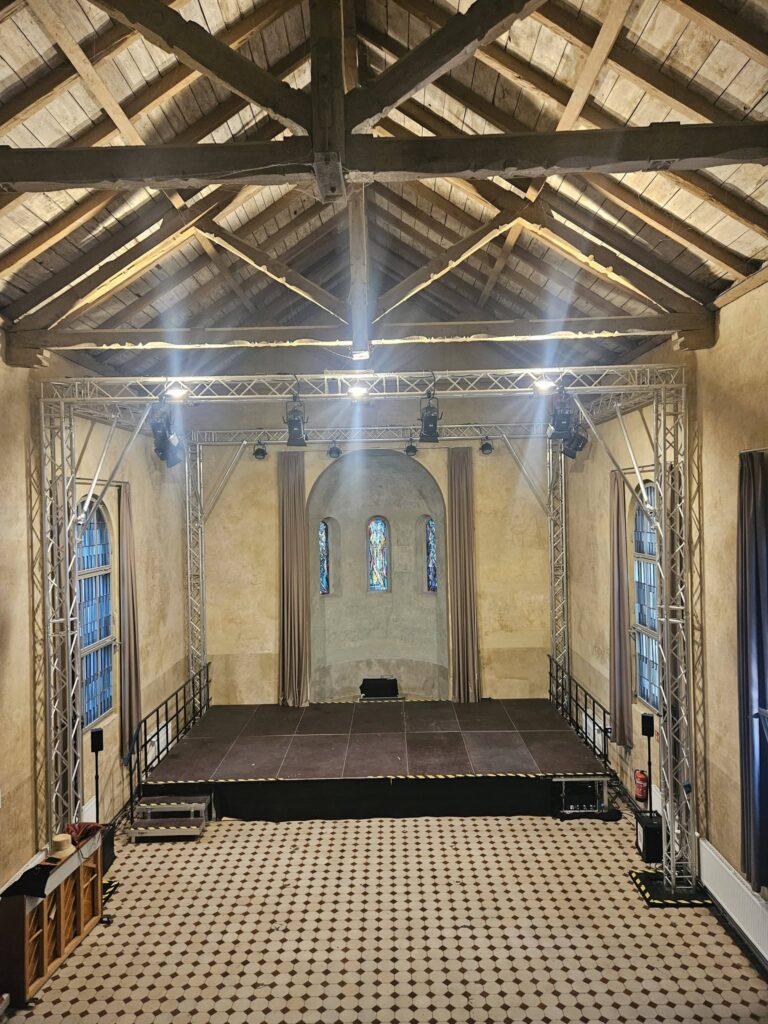
Anfahrt
Kapelle99
Boxhagener Straße 99
10245 Berlin-Friedrichshain
U-Bahn:
U5 Samariterstraße
Straßenbahn:
M13 (Holteistraße)
21 (Wismarplatz/Holteistraße)
M10 (Frankfurter Tor or Warschauer Straße)
Der Veranstaltungsort ist etwa 5–15 Gehminuten von den nächstgelegenen Haltestellen entfernt.
Barrierefreiheit
Bitte beachten Sie, dass der Veranstaltungsort nicht rollstuhlgerecht zugänglich ist. Der Zugang ist ausschließlich über Treppen möglich; derzeit gibt es keine Rampe und keinen Aufzug (im Bau). Bei Fragen zur Barrierefreiheit oder besonderen Bedürfnissen wenden Sie sich bitte im Voraus an die Veranstalter:innen.
Während der Veranstaltung werden Fotos und kurze Videoaufnahmen zu Dokumentations- und Werbezwecken gemacht. Die Teilnahme an der Konferenz gilt als Einverständnis zur Aufnahme und Veröffentlichung von Bildmaterial. Personen, die nicht fotografiert oder gefilmt werden möchten, werden gebeten, dies den Veranstalter:innen mitzuteilen.
Venue accessibility
Please note that the venue is not accessible to wheelchair users. Access is only possible via stairs; there is currently no ramp or lift (under construction). If you have any questions regarding accessibility or specific needs, please contact the organisers in advance.
Photographs and short video recordings will be made during the event for documentation and promotional purposes. Participation in the conference implies consent to the recording and publication of images. Anyone who does not wish to be photographed or filmed is kindly asked to inform the organisers.
Partner: Pilecki-Institut Berlin
Die Veranstaltung ist Teil des Jubiläumsprogramms Zwischen Berlin und Warschau — 35 Jahre Nachbarschaft, das anlässlich des 35-jährigen Jubiläums der Partnerschaft zwischen Berlin und Warschau sowie des Jahrestages des deutsch-polnischen Vertrags über gute Nachbarschaft ausgerichtet wird. Konzipiert und umgesetzt vom Deutschen Polen-Institut, in Zusammenarbeit mit agitPolska, der Ambasada Polek, dem Berlin Institute of Health an der Charité, der Deutsch-Polnischen Gesellschaft Berlin, der Europäischen Akademie Berlin, dem Gustav Seitz Museum sowie dem SprachCafé Polnisch. Das Projekt “Zwischen Berlin und Warschau – 35 Jahre Nachbarschaft” steht unter der Schirmherrschaft des Regierenden Bürgermeisters von Berlin Kai Wegner. Gefördert von der Stiftung Deutsche Klassenlotterie Berlin.
